
Security Camera Integration With Access Control: How Commercial Facilities Can See Who Is Entering
An Access Event Tells Only Part of the Story
Access control systems are designed to track who is allowed to enter a building, room, parking area, or secure zone. A card reader may record that a credential was used at a certain time, and a turnstile or door may release after that credential is approved. That information is useful, but on its own, it does not always tell the entire story.
A security team may know that a badge was used at 8:17 a.m., but that record does not automatically confirm who physically presented the badge or whether someone else followed closely behind. This is one of the reasons many commercial facilities are choosing to integrate security cameras with their access-control systems.
When video surveillance and access control work together, security personnel can gain more context around activity at important entrances. Instead of reviewing a credential record in one system and then manually searching through video in another, an integrated setup can make it easier to connect an access event with what actually happened at the entrance.
Why Access Control and Video Work Better Together
Access control is primarily about permission. Security cameras are primarily about visibility. Combining the two can create a more complete picture of who entered, how they entered, and what happened before or after the access event.
- Card readers: Video can help verify who actually used a badge or credential.
- Mobile credentials: Camera footage can add visual context when a phone-based credential is presented.
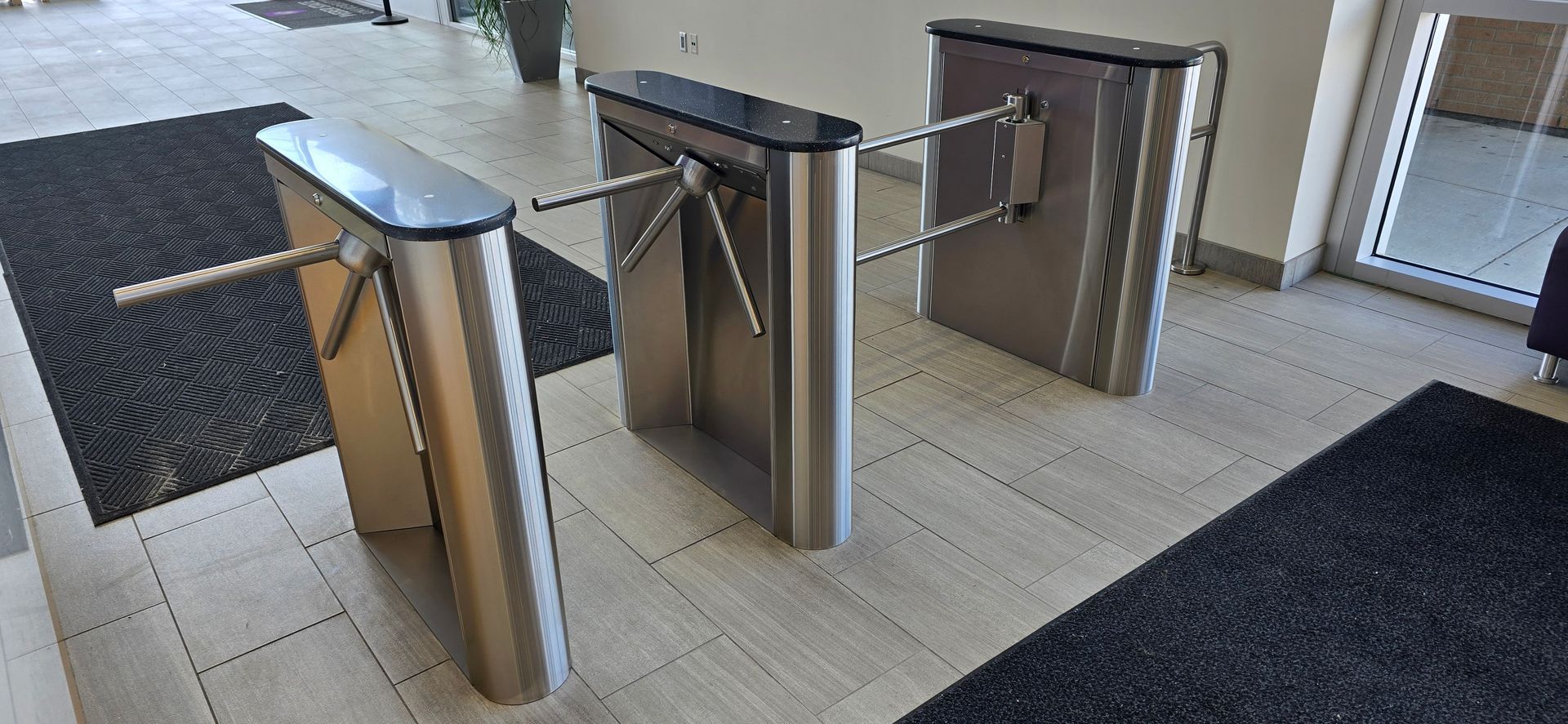
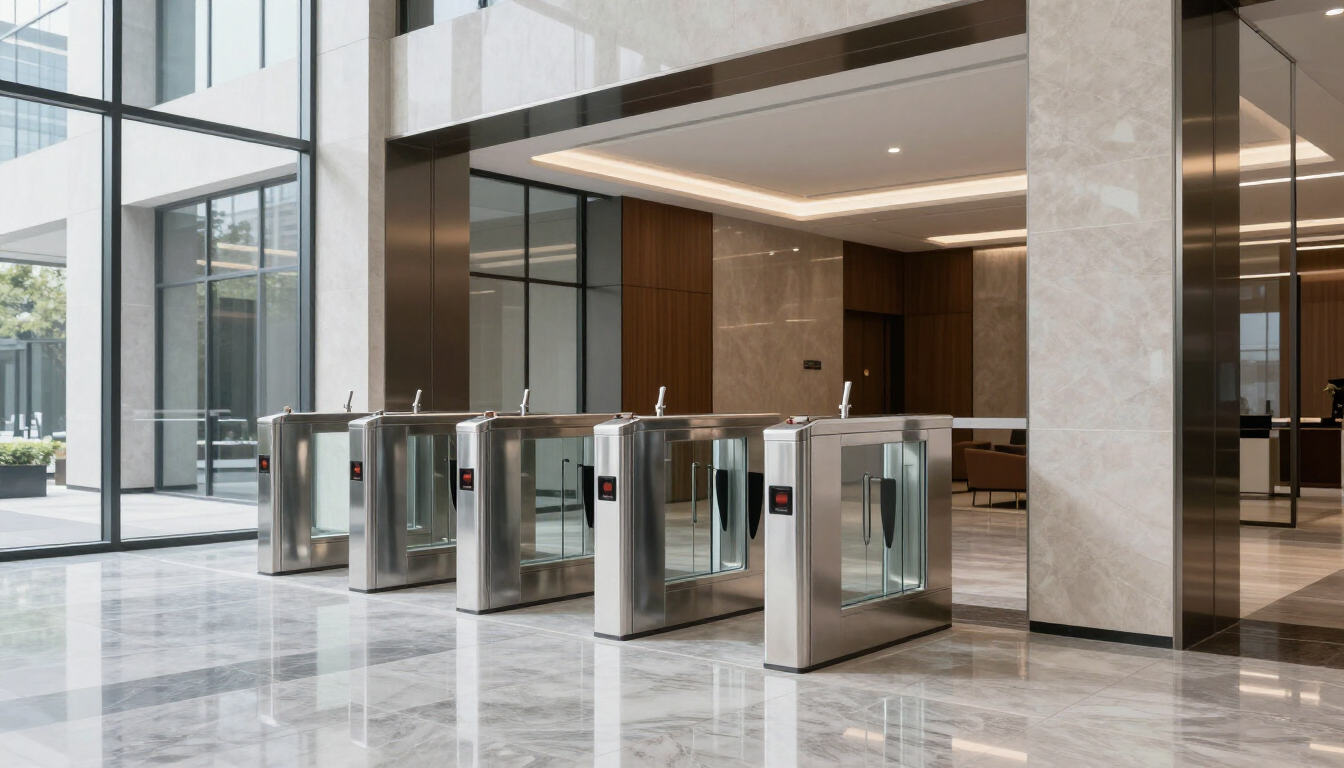
- Turnstiles: Video can help review whether one person or multiple people moved through after a valid credential was accepted.
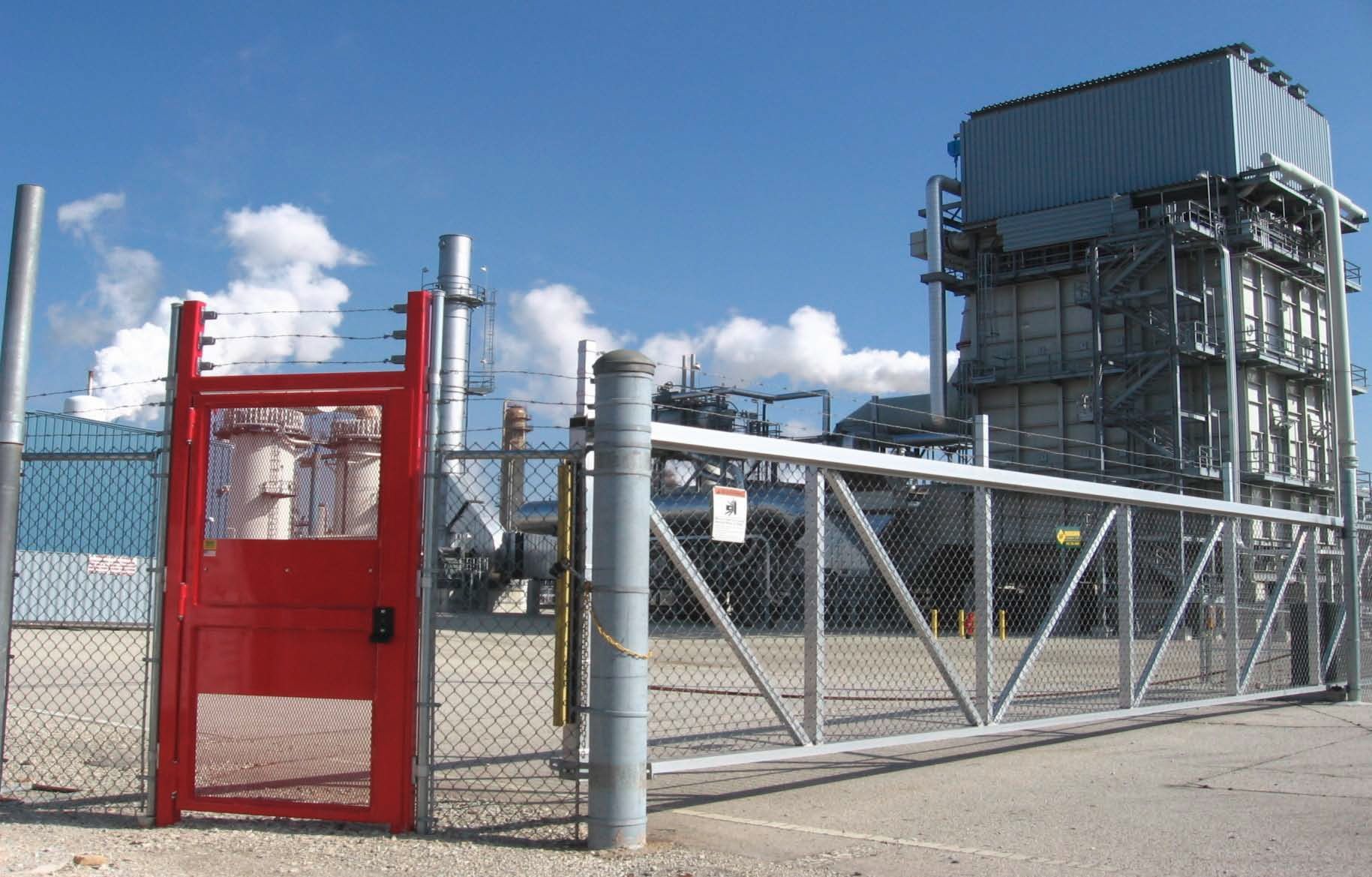
- Vehicle gates: Cameras can help document vehicle activity at controlled entrances.
- Employee entrances: Integrated video can support investigations involving unauthorized access or credential misuse.
- Visitor checkpoints: Cameras can provide additional visibility around guest entry and screening areas.
- Restricted interior spaces: High-security zones can benefit from both credential tracking and video verification.
This type of integration can be useful in a wide range of commercial environments. A corporate office may want to verify activity at employee-only entrances. A warehouse may need more visibility around loading areas or secured gates. A data center may require stricter monitoring of highly restricted interior zones.
The advantage is not simply that more technology is being installed. The real value comes from connecting the systems in a way that makes security information easier to review and act on.
For organizations looking for security camera integration with access control, commercial security integration, or nationwide access-control installation, the goal should be to create one coordinated security environment rather than a collection of systems that operate independently.
MRKset works with commercial facilities throughout the United States to design and integrate entrance-control and security systems, including access control, turnstiles, vehicle gates, screening equipment, and security camera integration. That broader approach can help facilities build systems around how people and vehicles actually move through the property.

Connect the Video to the Access Event
One of the biggest benefits of integrating cameras with access control is the ability to connect visual information with a specific event. When a badge is accepted, a door opens, a turnstile releases, or a gate is triggered, the associated camera can help provide visual confirmation of what happened.
This can make security reviews more efficient. Instead of searching through hours of unrelated footage, security teams may be able to focus on the time and location tied to a specific access event.
Integrated systems can also help when something does not go as expected. If a credential is denied, if an alarm is triggered, or if suspicious activity occurs near an entrance, video can provide additional context that a simple system log may not show.
- Verify credential use: Review whether the person using a credential appears to be the authorized user.
- Investigate denied access: See what was happening when a user attempted to enter a restricted area.
- Review tailgating: Determine whether someone followed an authorized person through a controlled entrance.
- Monitor turnstile activity: See how users move through pedestrian access lanes.
- Review vehicle entry: Add visual context around gate activity and vehicle access events.
- Support incident investigations: Combine credential history with video when reviewing a security concern.
- Reduce manual searching: Focus video review around known events instead of scanning long periods of footage.
Where Integrated Video Makes the Biggest Difference
Security camera integration can benefit almost any commercial property, but the value becomes especially clear in facilities where access is tightly controlled or where large numbers of people and vehicles move through multiple entrances.
Data centers are a strong example. These facilities often have layered access-control requirements, and certain rooms or zones may be limited to a small group of authorized users. Integrating video with access records can provide additional visibility around those high-security areas.
Manufacturing plants and warehouses may have a different set of needs. They may need to control employee entrances, loading areas, delivery gates, and restricted production zones. Camera integration can help security teams review activity across all of those areas without treating each system as a separate project.
Government facilities, healthcare environments, educational campuses, and corporate offices may also benefit from combining visual verification with credential-based access. In each case, the design should reflect the security level, traffic volume, and operational needs of the property.
One Integrated System Can Support Multiple Types of Entrances
Commercial properties rarely have only one type of access point. A facility may have employee doors, visitor entrances, turnstiles, parking gates, loading areas, and restricted interior rooms. Camera integration can help create a consistent security strategy across all of them.
For example, an employee may enter through a badge-controlled door in the morning, pass through a turnstile into a secure office area, and later access a restricted department. A single facility may want visibility around each of those events.
Vehicle entrances can also be part of the same overall system. A gate may be opened using a credential, RFID tag, license plate recognition system, or another authorized method, while cameras document the vehicle and surrounding activity.
For companies with multiple locations, integrated security systems can also make it easier to establish consistent standards across facilities. A national organization may want the same approach to access control, cameras, turnstiles, and vehicle gates at sites in different states.
MRKset's nationwide service model is especially relevant for organizations that need commercial security systems installed across multiple properties. By working with one integrator, companies can create a more consistent approach to entrance control and security camera integration throughout their portfolio.
The Camera Should Be Planned With the Entrance, Not Added Later
Camera placement matters just as much as the camera itself. A camera can only provide useful information if it is positioned to capture the activity that security personnel actually need to review.
This is why security camera integration should be considered during the design of the access-control system rather than treated as an afterthought. The location of turnstiles, badge readers, doors, gates, reception areas, and visitor checkpoints can all influence where cameras should be installed.
A camera aimed at a turnstile lane may need a different field of view than a camera monitoring a vehicle gate. A reception-area camera may need to capture both the credential point and the visitor path. Loading areas and warehouse entrances may require wider coverage because of vehicle movement and changing traffic patterns.
- Turnstile lanes: Cameras should provide a clear view of users approaching and moving through the entrance.
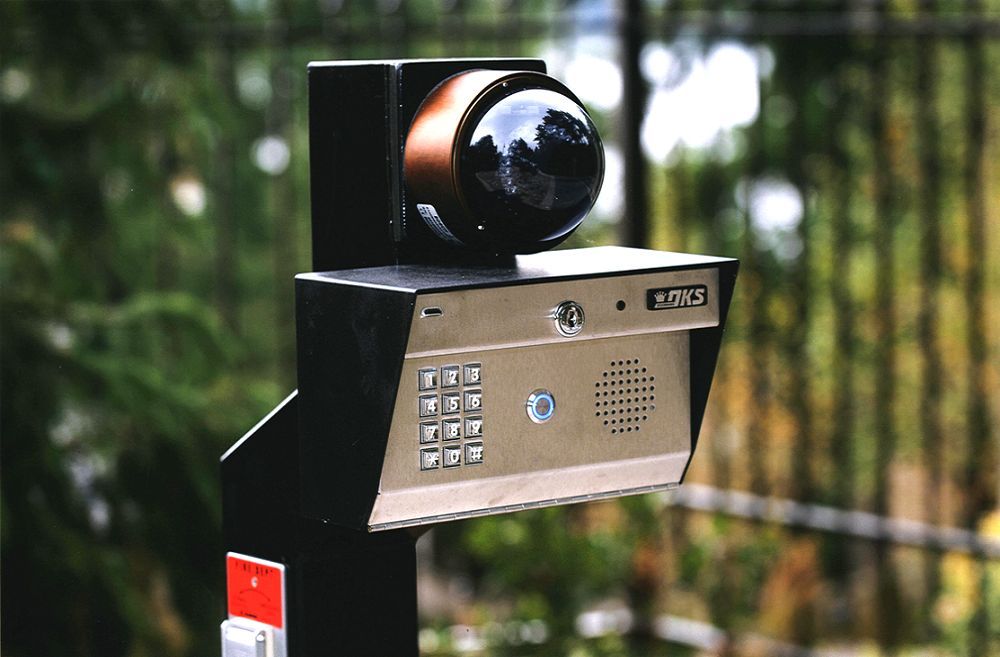
- Badge readers: Placement should support visual verification without creating blind spots.
- Reception areas: Cameras may need to capture visitors, employees, and controlled entry points.
- Vehicle gates: The system should account for vehicle size, traffic direction, and gate position.
- Loading areas: Wider coverage may be needed to monitor deliveries, employees, and secured doors.
- Restricted interior zones: Cameras should support the level of security required for that area.
- Visitor entrances: Video can complement intercoms, access credentials, and visitor-management systems.
Engineering and planning are especially important on larger commercial projects. The security design needs to consider wiring, network infrastructure, power requirements, hardware placement, traffic flow, emergency functions, and how each system will communicate with the others.
MRKset provides design, engineering, installation, and integration services for secured entrances and commercial security systems. This allows the access-control hardware, cameras, turnstiles, vehicle gates, and related components to be planned as part of one coordinated project.
Questions Facility Managers Should Answer Before Integration
Before integrating cameras with access control, facility managers should identify the areas where visual verification would provide the most value. Not every entrance necessarily needs the same level of monitoring, and different sites may have very different priorities.
- Which entrances require video verification?
- Does the facility already have cameras installed?
- What access-control platform is currently in use?
- Which entrances or rooms have the highest security requirements?
- How much pedestrian or vehicle traffic moves through each area?
- Are turnstiles, vehicle gates, or visitor checkpoints part of the system?
- Who needs permission to review video and access records?
- How long should video and access records be retained?
- Will the same security standards be used across multiple locations?
- Are future expansions or additional entrances already planned?
Answering these questions before installation can help create a system that is easier to use and more relevant to the organization's actual security needs.
Nationwide Security Camera and Access Control Integration
MRKset provides commercial access-control, entrance-control, and security integration services throughout the lower 48 states. Their nationwide capabilities are especially useful for organizations with multiple facilities that want consistent technology, installation standards, and security strategies across locations.
Rather than treating security cameras, card readers, turnstiles, gates, and screening equipment as separate systems, a coordinated design can help each component support the others. That can make it easier for security teams to understand what is happening at an entrance and respond when something requires attention.
This integrated approach can be used in corporate offices, data centers, manufacturing facilities, warehouses, government properties, healthcare facilities, educational campuses, and other commercial environments throughout the United States.
If your organization is searching for security camera integration with access control, commercial security camera integration, integrated security systems, or nationwide access-control installation, MRKset can help design and install a system around the needs of your facility or multi-location portfolio.
Recent Posts