Metal Detection and Baggage Scanners: How Modern Facilities Secure Entry Points
What Metal Detection and Baggage Scanners Do in Modern Security Systems
Metal detection systems and x-ray baggage scanners are critical components of modern access control and security infrastructure. These systems are designed to identify threats before they enter a secured environment, providing an essential layer of protection for facilities that require controlled entry.
From corporate buildings to transportation hubs, organizations rely on screening systems to detect prohibited items such as weapons, explosives, and other dangerous materials. Modern systems combine advanced imaging technology with intelligent detection capabilities to improve both accuracy and efficiency.
How Baggage Scanners Identify Threats
X-ray baggage scanners use advanced imaging technology to analyze the contents of bags, parcels, and personal items. These systems are capable of detecting threats based on material composition, allowing operators to distinguish between organic, inorganic, and metallic objects.
- High-resolution imaging for detailed inspection
- Detection of weapons, explosives, and prohibited items
- Material recognition based on atomic composition
- Automated threat identification features
- Fast scanning for high-traffic environments
These capabilities allow security personnel to quickly evaluate items without opening or physically inspecting them, improving both speed and safety.
Where Metal Detection and Scanning Systems Are Used
Security screening systems are deployed across a wide range of industries where safety and controlled access are critical.
- Airports and transportation facilities
- Government buildings and courthouses
- Corporate offices and data centers
- Event venues and stadiums
- Schools and healthcare facilities
These environments require consistent, reliable screening to prevent unauthorized or dangerous items from entering secure areas.
Types of Metal Detection and Baggage Scanning Systems
Security systems are not one-size-fits-all. Different facilities require different levels of screening based on traffic volume, threat level, and operational needs.
X-Ray Baggage Scanners for Small and Large Items
Baggage scanners vary in size and capability depending on the type of items being screened. Compact systems are ideal for smaller environments, while larger systems handle oversized packages and high-volume screening.
- Compact scanners for bags, mail, and small parcels
- Mid-size systems for carry-on luggage and daily screening
- Large dual-energy scanners for oversized items
- Multi-view imaging for enhanced visibility
- Advanced algorithms for clearer threat identification
These systems allow facilities to scale their security infrastructure based on demand and risk level.
Metal Detection Systems for Entry Control
Metal detection systems work alongside baggage scanners to provide full screening coverage. While scanners inspect belongings, metal detectors identify threats carried on individuals.
- Walk-through metal detectors for high-traffic entry points
- Handheld detectors for secondary screening
- Integrated systems for complete checkpoint solutions
- Adjustable sensitivity for different environments
- Fast throughput for efficient entry management
Combining these systems ensures both people and belongings are properly screened before entering a secured space.
How These Systems Improve Efficiency and Flow
Modern screening systems are designed not only for security, but also for operational efficiency. High-performance systems maintain smooth traffic flow while delivering accurate threat detection.
- Fast processing speeds to reduce wait times
- Ergonomic design for operator efficiency
- Automated detection to assist decision-making
- Reduced need for manual inspections
- Scalable solutions for growing facilities
This balance of security and efficiency is essential for high-volume environments.

How to Choose the Right Metal Detection and Scanning System
Selecting the right system depends on several factors, including the type of facility, level of risk, and expected traffic volume. A well-designed system should align with both security goals and operational needs.
Key Factors to Consider
Before implementing a screening system, facilities should evaluate the following:
- Type of threats that need to be detected
- Volume of people and items being screened
- Size and layout of entry points
- Integration with existing access control systems
- Compliance with security regulations and standards
Understanding these factors ensures the system is effective and scalable over time.
Why Integrated Security Systems Are More Effective
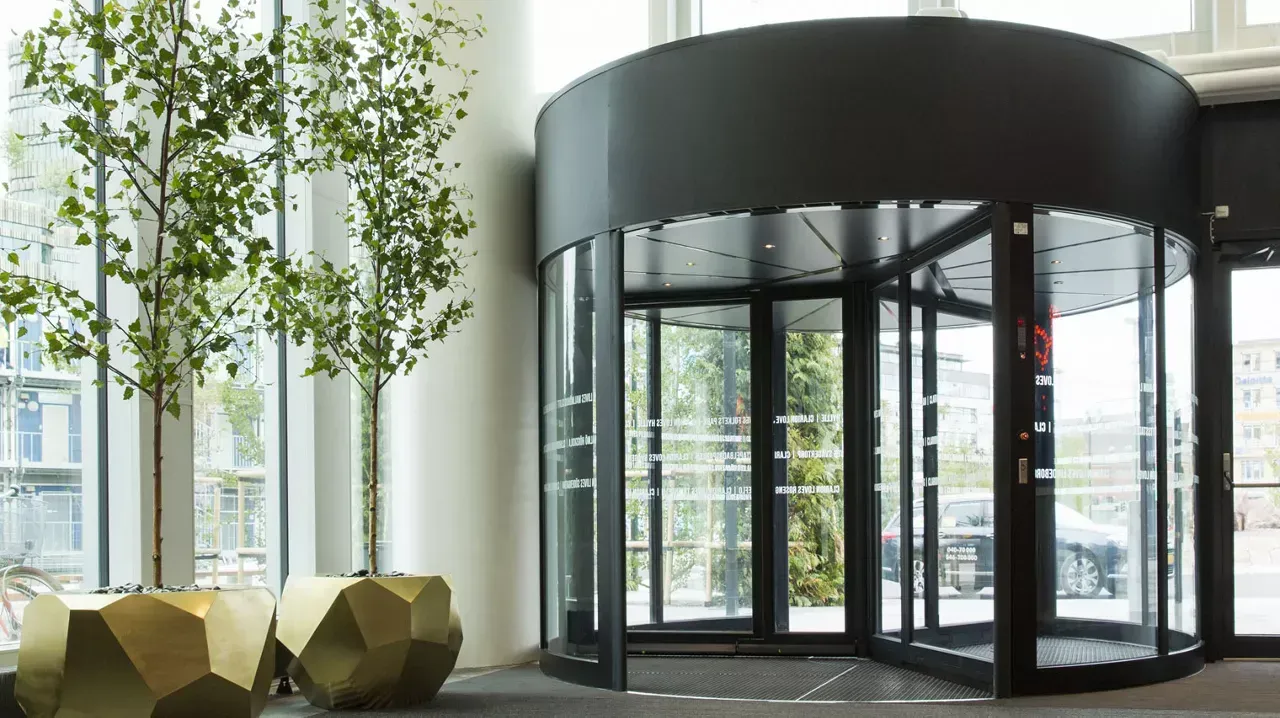
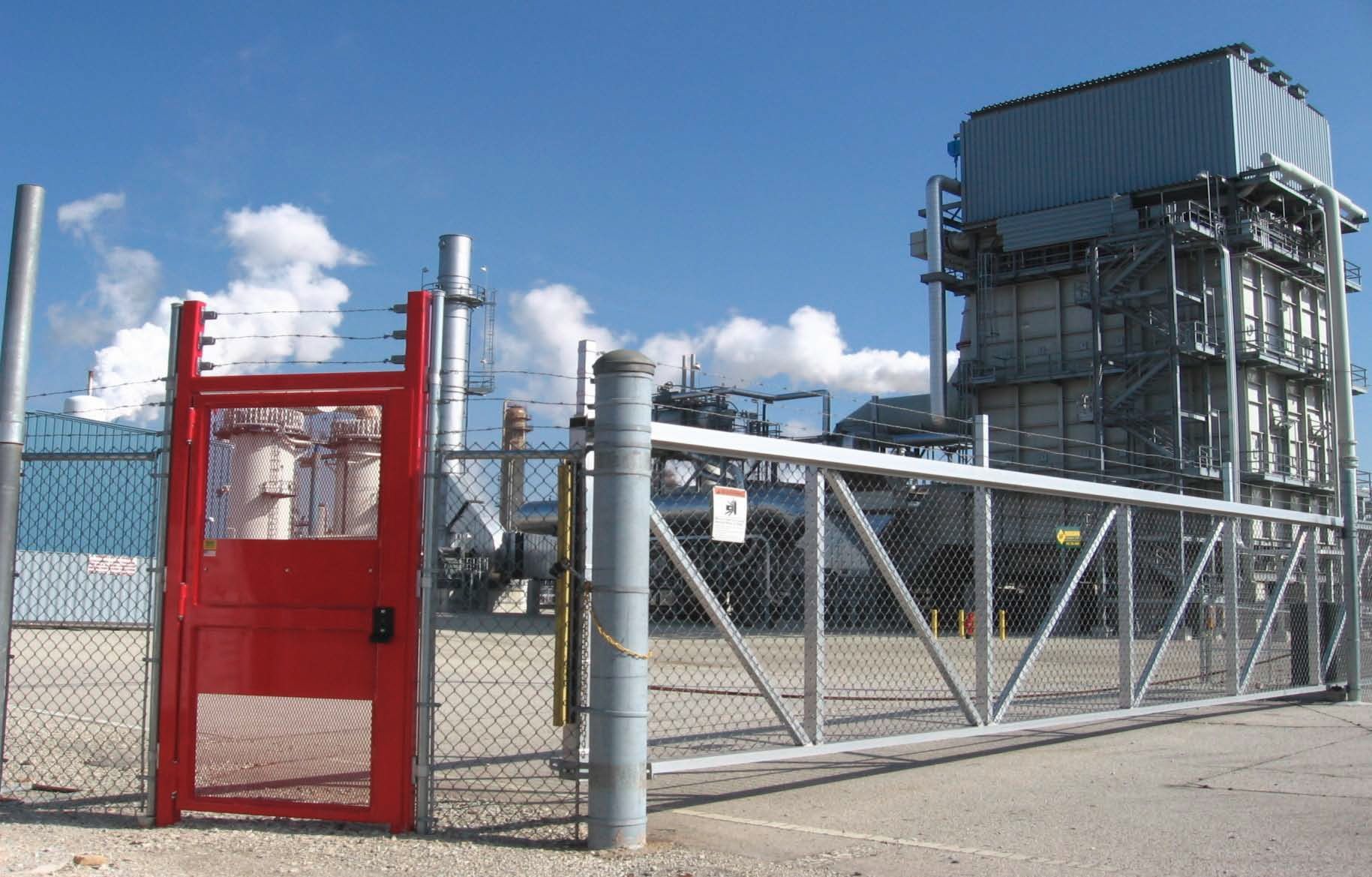
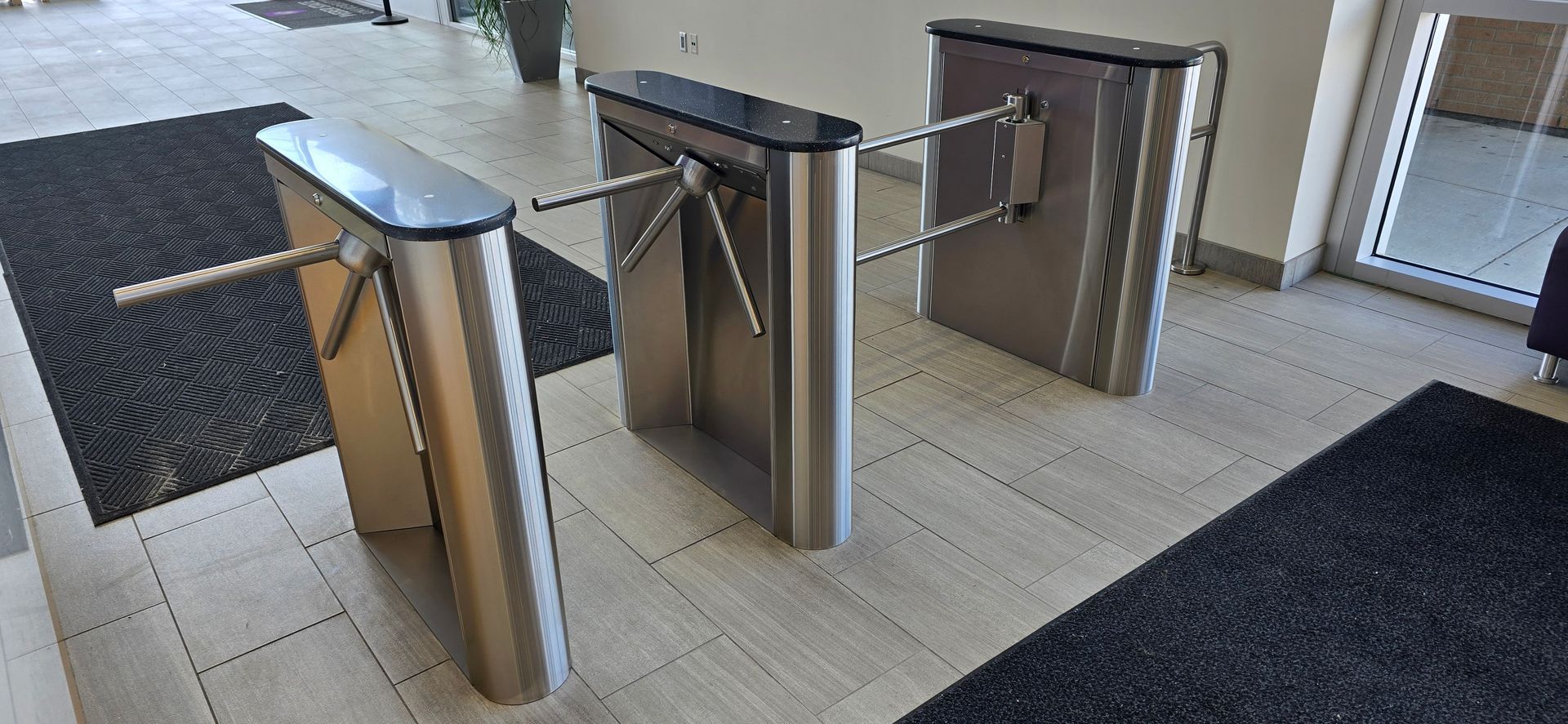
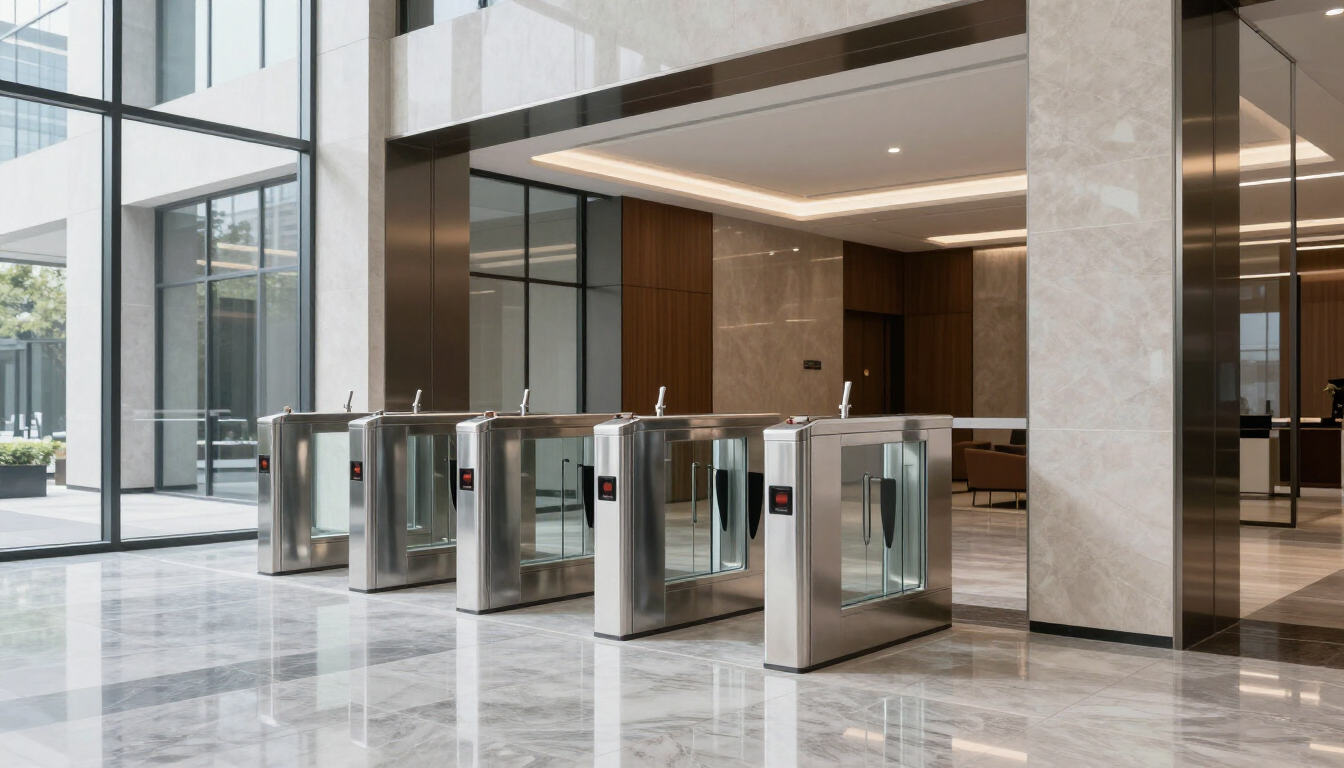
Metal detection and baggage scanning systems are most effective when integrated into a broader access control strategy. Combining screening with turnstiles, gates, and access control systems creates a complete security solution.
- Controlled entry with verified access points
- Reduced risk of unauthorized access
- Improved tracking and accountability
- Layered security for high-risk environments
- Enhanced overall facility protection
Integrated systems provide a higher level of control and reliability compared to standalone solutions.
The Role of Advanced Screening in Modern Security
As security threats continue to evolve, facilities must adopt more advanced technologies to stay ahead. Metal detection and baggage scanners play a critical role in modern security infrastructure by providing fast, accurate, and reliable threat detection.
For organizations looking to enhance safety while maintaining operational efficiency, investing in advanced screening systems is no longer optional—it is a necessity. Contact MRKset to learn more about our Access Control, Turnstiles, and Security Integrations to make your facility safer and reduce your risk!