
Optical vs Full-Height Turnstiles: Choose Your Best Security (2026)
Optical turnstiles use infrared sensors to detect passage and are designed for aesthetic, high-traffic indoor environments, while full-height turnstiles offer floor-to-ceiling physical barriers for maximum perimeter deterrence. The choice depends on whether your facility prioritizes seamless pedestrian flow (optical) or unbreachable physical security (full-height).
What is the Difference Between Optical and Full-Height Turnstiles?
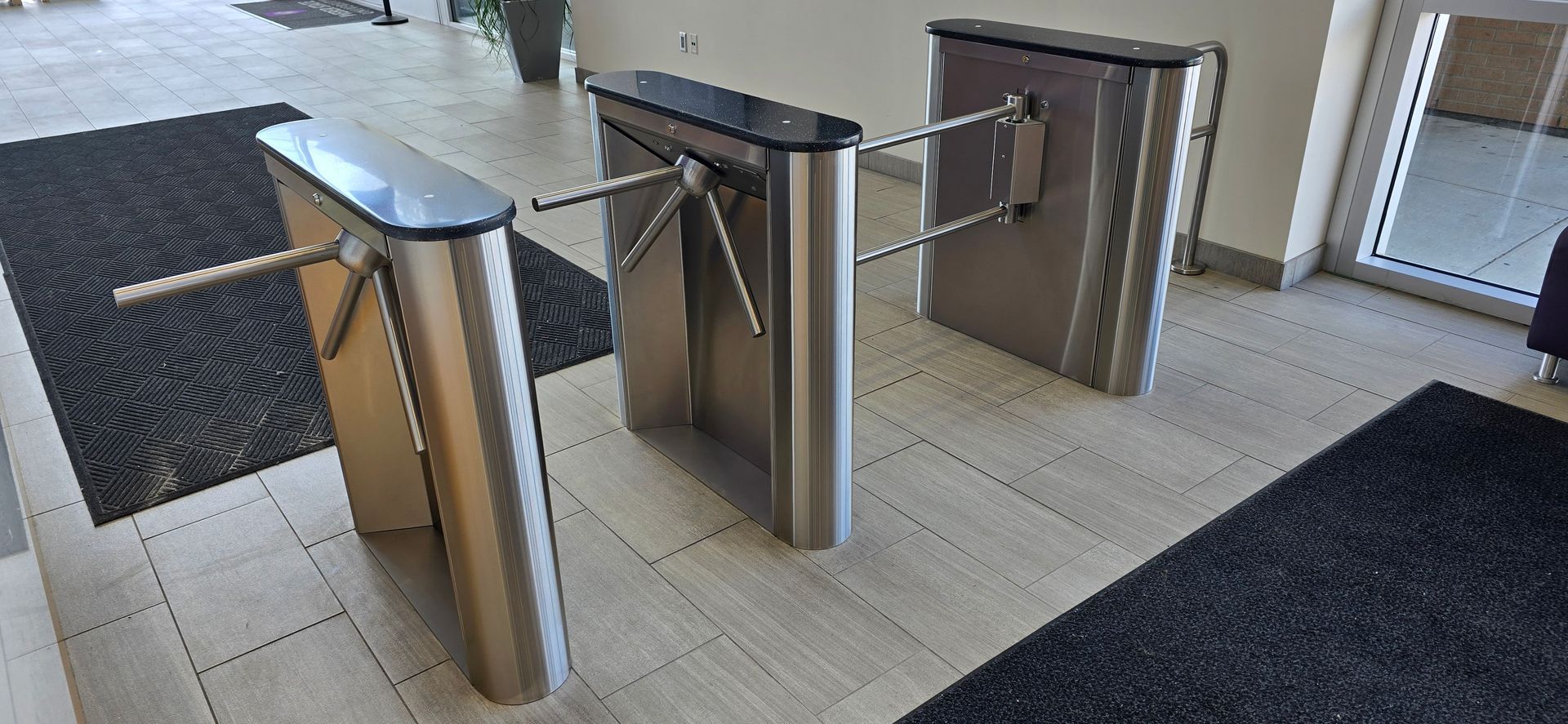
Choosing the right entrance control system is a critical decision for business managers and security professionals. While both systems regulate access, their physical presence and operational goals differ significantly. Optical Turnstiles rely on a combination of sophisticated sensors and glass or polycarbonate barriers. They are intended to detect unauthorized entry through tailgating or piggybacking and provide an alert, often used in conjunction with a security desk. These units are typically found in high-end corporate lobbies where aesthetics and speed are paramount.
In contrast, Full-Height Turnstiles provide a physical wall between secure and non-secure areas. Often standing over seven feet tall, they consist of a rotating cage of steel bars that physically prevent anyone from climbing over or crawling under. These are the gold standard for outdoor perimeter security, high-security industrial sites, and unmanned entry points where the risk of forced entry is high. While optical systems manage traffic, full-height systems physically enforce exclusion.

Comparing Core Characteristics
- Optical units focus on visual appeal and speed.
- Full-height units focus on mechanical deterrence and durability.
- Optical systems require active monitoring or alarms.
- Full-height systems function autonomously without constant supervision.
- Optical barriers are usually indoor-rated only.
Why Are Optical Turnstiles Preferred for Modern Corporate Lobbies?
Corporate environments demand a balance between security and a welcoming atmosphere. Optical turnstiles excel here because they can be customized to match the architectural finishes of a building. With stainless steel, wood, or stone finishes and varied glass barrier heights, these systems blend into the design rather than looking like a security cage. Beyond aesthetics, the throughput is significantly higher. In a busy urban high-rise, moving hundreds of employees through a lobby in minutes requires the low-latency response that optical sensors provide.
These systems also integrate seamlessly with modern Access Control credentials like HID mobile wallets or QR codes. When a user presents their phone, the sensors ensure only one person passes. If a second person attempts to follow without scanning, the system triggers an audible alarm and notifies the guard desk. This "soft" security approach is highly effective for environments where the goal is to deter casual intruders while maintaining a professional image.
Advantages of Full-Height Physical Barriers for Perimeter Security
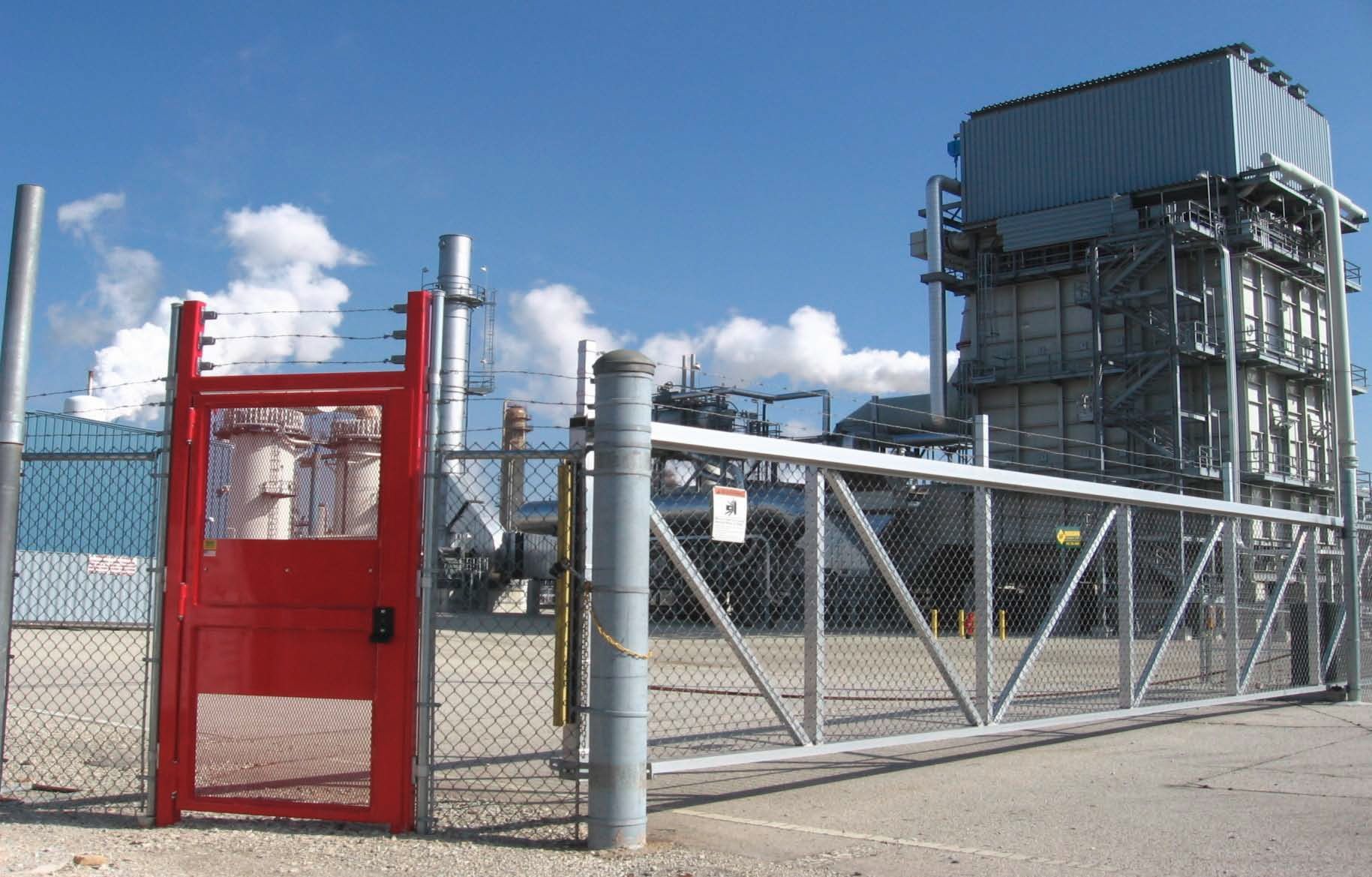
For facilities like data centers, manufacturing plants, or shipping ports, the security requirement shifts from "detection" to "prevention." Full-height turnstiles are essentially a revolving door made of steel. They are nearly impossible to breach without heavy equipment. One of the primary advantages of these systems is their ability to operate outdoors in harsh weather conditions. Unlike optical sensors which can be confused by direct sunlight or heavy rain, mechanical full-height turnstiles are built to withstand the elements.
At MRKset , we often recommend these for remote or unmanned entrances. Because they are floor-to-ceiling, they eliminate the possibility of someone jumping over the turnstile. This is vital for maintaining compliance in industries like energy production or critical infrastructure. Furthermore, they are often used in tandem with Vehicle Access Control to create a comprehensive perimeter strategy that secures both pedestrian and vehicular traffic simultaneously.
How Do Sensors Improve Throughput in Optical Systems?
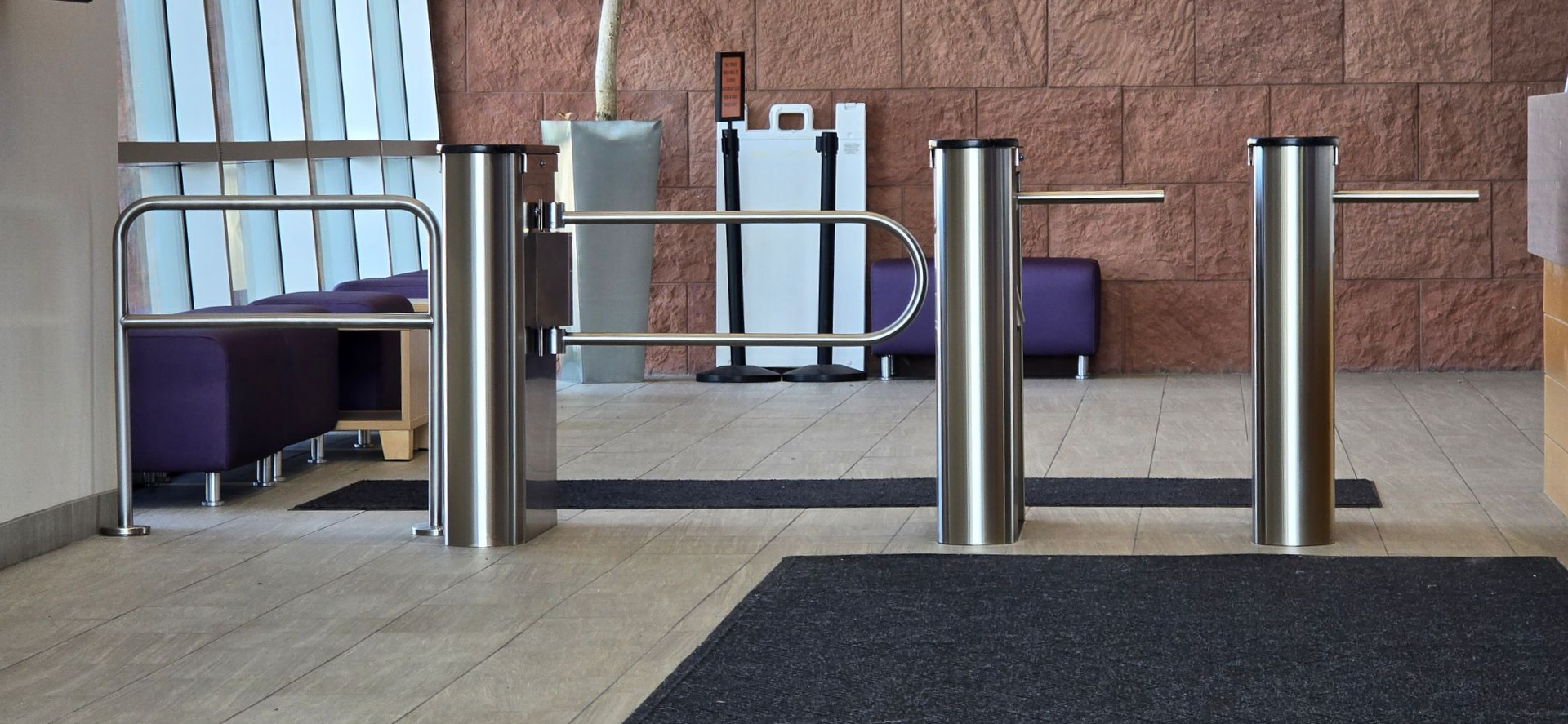
Modern optical turnstiles are not just simple beam-breakers; they utilize advanced Time-of-Flight (ToF) sensors and multi-directional infrared arrays. These sensors map the silhouette of the person passing through. This allows the system to distinguish between a person, a rolling suitcase, or a child. By accurately tracking movement, the gates can close immediately after a valid passage, reducing the tailgating window to milliseconds.
Sensor Benefits for High-Traffic Areas
- Reduces false alarms from bags or umbrellas.
- Increases throughput to 30-40 people per minute.
- Provides precise data for facility occupancy tracking.
- Detects direction of travel to prevent wrong-way entry.
- Adjustable sensitivity for different security levels.
This high level of intelligence is why institutions like the University of South Florida or Belmont University utilize these systems to manage student flow into athletic facilities or dining halls. The technology ensures that the experience is frictionless for authorized users while remaining impenetrable for those without credentials.
Key Performance Indicators for Advanced Entrance Control
When evaluating which system to install, managers should look at more than just the price tag. The Total Cost of Ownership (TCO) includes maintenance, energy consumption, and the potential cost of a security breach. Key Performance Indicators (KPIs) like Mean Cycles Between Failures (MCBF) are crucial. A high-quality turnstile from MRKset is rated for millions of cycles. This reliability is essential for 24/7 operations like those at Georgia Pacific or Caterpillar .
Another KPI is the integration capability. A turnstile is only as good as the software managing it. If the system cannot communicate in real-time with your existing employee database, it becomes a bottleneck. We focus on open-platform solutions that allow for remote diagnostics and centralized management. This means a security director in a headquarters in Central Texas can see the status of a turnstile in an Atlanta facility instantly.
What Integration Options Exist for Advanced Access Control?
The trend in physical security is moving toward touchless and biometric systems. Both optical and full-height turnstiles can be outfitted with various readers. Facial recognition cameras are increasingly popular for high-security areas because they eliminate the risk of shared badges. For more traditional setups, multi-technology readers that support both legacy 125kHz prox cards and modern 13.56MHz encrypted smart cards are the standard.
Common Integration Methods
- Facial recognition and iris scanning for biometrics.
- Mobile NFC and Bluetooth Low Energy (BLE) credentials.
- Thermal imaging for health screening integration.
- Visitor management kiosks with temporary QR codes.
- Integration with fire alarm systems for emergency fail-open.

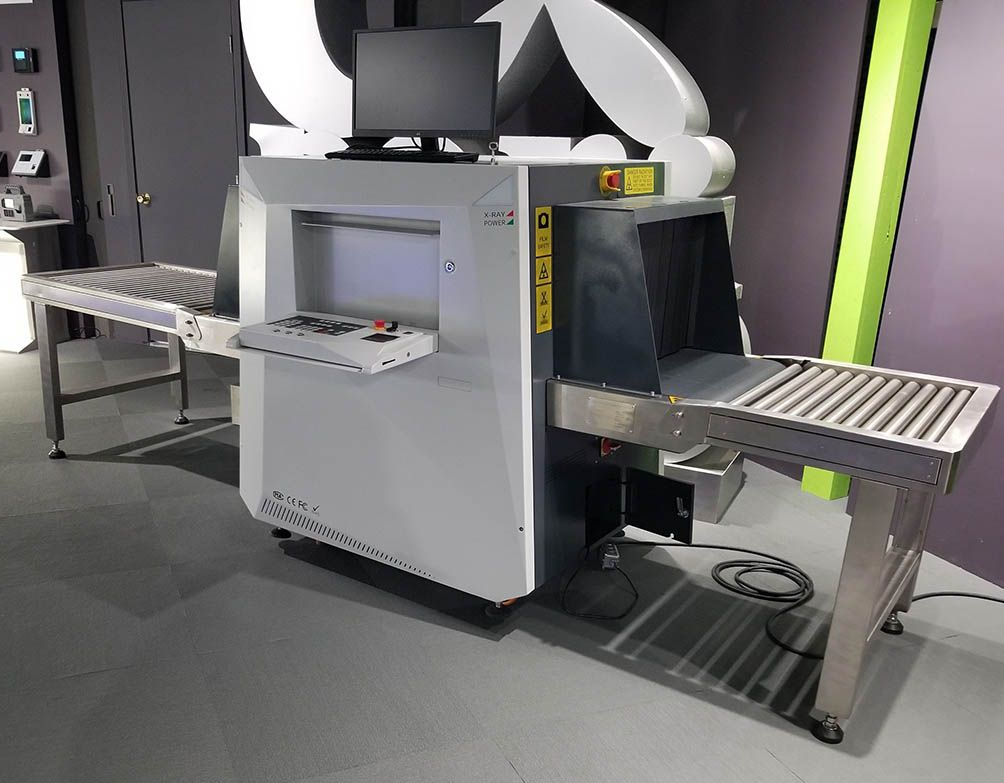
Integration also extends to hardware like Metal Detection & Baggage Scanners . In high-risk environments, the turnstile only unlocks once the individual has passed a primary screening. This layered approach is what separates a standard entrance from a professional security infrastructure.
How to Choose Between Speed and Physical Deterrence
To decide between these two solutions, you must perform a site-specific risk assessment. Ask yourself: Is the primary threat a casual intruder or a determined criminal? If your building has a 24-hour manned security desk, the detection capabilities of an optical turnstile are likely sufficient. The guard can intervene if the alarm sounds. However, for a warehouse perimeter that is unstaffed at night, a full-height turnstile is mandatory to prevent unauthorized access.
Consider the "culture" of your facility as well. High-end law firms or tech companies often prefer the sleek, low-profile look of Optical Turnstiles to maintain an inviting brand image. Industrial facilities or high-security government buildings like Pierce County facilities prioritize the rugged, no-nonsense deterrent of full-height units. Sometimes, the best solution is a hybrid: optical turnstiles in the main lobby and full-height gates at the employee loading docks or parking garage entrances.
Planning Your National Security Infrastructure with MRKset
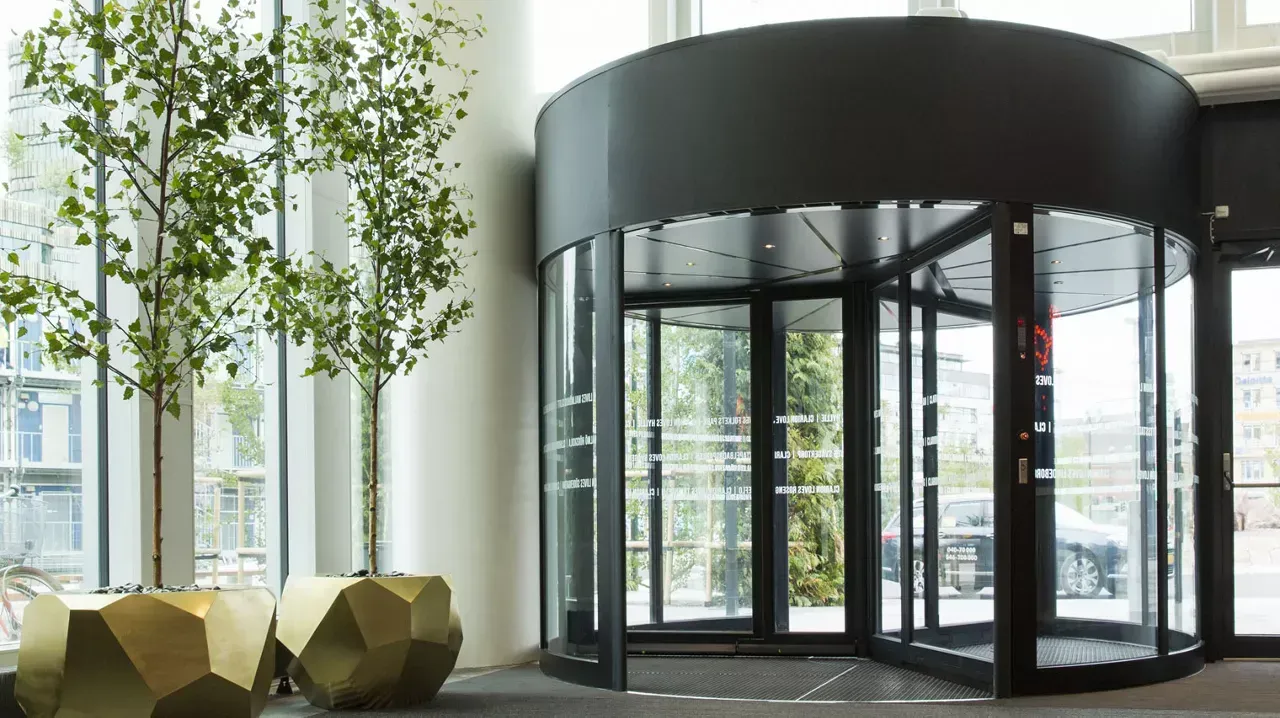
Implementing a nationwide security rollout requires more than just buying hardware; it requires a partner who understands complex logistics and local compliance codes. MRKset specializes in these large-scale integrations. From Security Revolving Doors to Waist-Height Turnstiles, we provide a single point of contact for design, installation, and ongoing support. Our consortium of engineers and licensed specialists ensures that every installation meets the highest standards of safety and reliability.
Whether you are upgrading a single facility like Sanofi or deploying a standardized security package across multiple states, we bring the expertise needed to secure your assets. We don't just sell turnstiles; we design integrated systems that protect people and property while optimizing operational efficiency.
Summary Checklist for Decision Makers
- Determine if the location is indoor or outdoor.
- Assess the need for active vs. passive monitoring.
- Evaluate peak traffic volume and required throughput.
- Identify necessary integrations (mobile, biometric, thermal).
- Review local life-safety and fire codes for egress.
In conclusion, both optical and full-height turnstiles are essential tools in a modern security toolkit. Optical systems provide a sophisticated, high-speed solution for monitored lobbies where design matters. Full-height systems provide an uncompromising physical barrier for perimeters and high-risk zones. By understanding the specific needs of your facility and the traffic patterns of your users, you can select the solution that offers the best return on investment and the highest level of protection. For expert guidance on your next project, Contact Us today to speak with a specialist.
Recent Posts